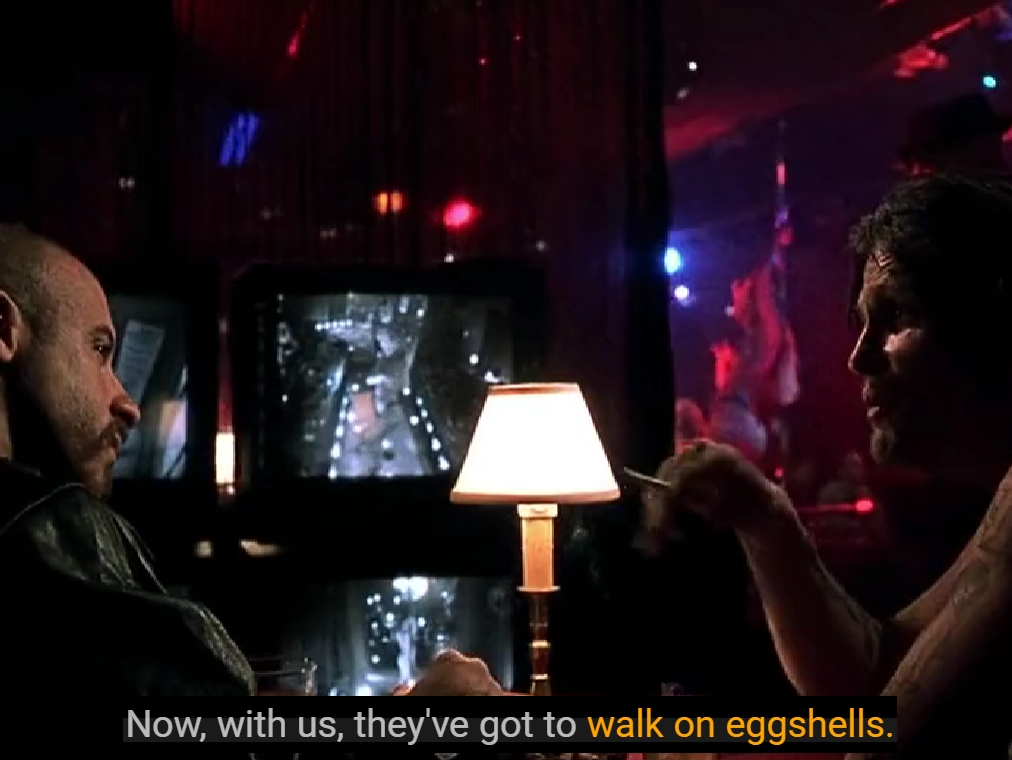
短语“walk on eggshells”并不是指表演杂技,“走在蛋壳上”,而是指必须极度小心、谨慎地行动,避免引起冲突或造成损害,就像走在易碎的蛋壳上一样需要小心翼翼。这个短语形象地描述了一个人在一个紧张或敏感的环境中的行为方式。 例如:小明的父母最近一直在争吵,家里的气氛非常紧张。为了不激怒他们,小明每天都像walk on eggshells,连说话的音量都小得几乎听不见。
After the argument, they were both walking on eggshells.
争吵过后,他们都小心翼翼的。
Ever since their argument, she has been walking on eggshells around him, afraid to say anything that might trigger another fight.
自从他们吵架以后,她在他面前如履薄冰,生怕说错什么话又引起争执。
He's so sensitive about his work that I feel like I have to walk on eggshells every time I bring up the subject.
他对自己的工作非常敏感,每次我一提起这个话题就感觉自己得小心翼翼的。
I'm always walking on eggshells when I visit my in-laws; it's exhausting trying to avoid topics that might upset them.
每次我去看望岳父母,我总是如临深渊,小心翼翼地避开可能让他们不高兴的话题。
Our new manager has everyone walking on eggshells; no one wants to be the first to make a mistake.
我们的新经理让大家都提心吊胆;没人想成为第一个犯错的人。
Since the company announced the layoffs, walking on eggshells has become the norm in the office as everyone is worried about losing their job.
自从公司宣布裁员后,办公室里人心惶惶成为了常态,因为每个人都担心会失去工作。
短语"walking on eggshells"的起源尚为形成共识,一种说法认为,这个短语来源于蛋壳舞,这是一种在蛋壳上跳舞而不打破蛋壳的传统舞蹈。这种舞蹈经常在集市和嘉年华会上表演,需要高超的技巧和精准的动作。
 满分语法
满分语法