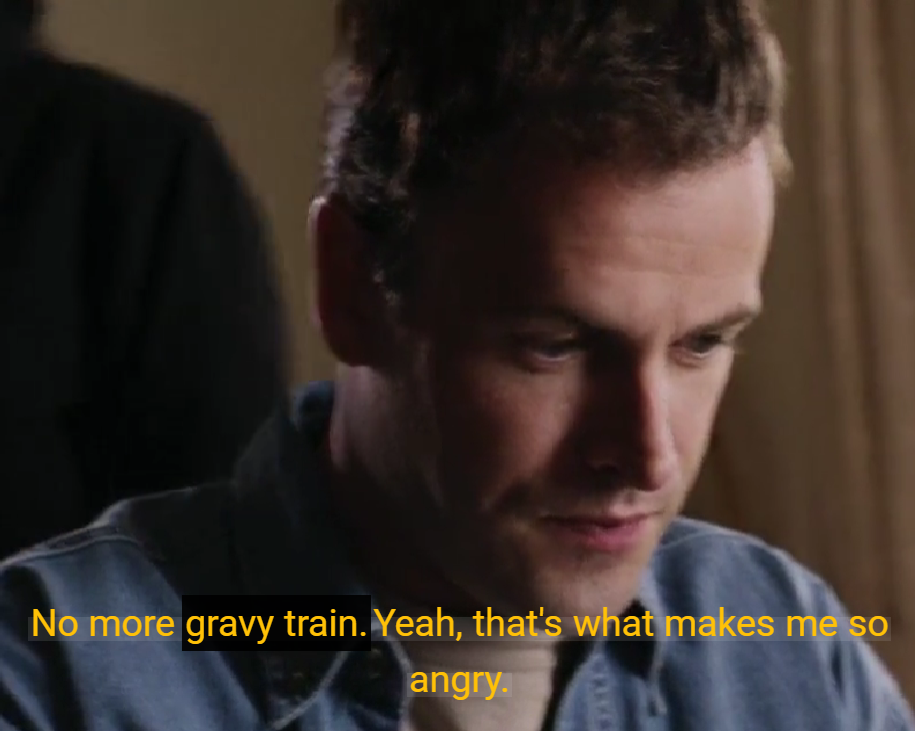
"Gravy train"这个短语源自1920年代铁路工人之间的说法,用来形容那些工资高而又轻松的工作,类似中文的“肥缺”、“轻松赚大钱”。例如:"李华最近得到了一份梦寐以求的工作,工作环境舒适,待遇丰厚,工作内容又不是很紧张,他觉得自己终于能够'ride the gravy train'了。"
His popular gaming livestreams have put him on the gravy train.
他极具人气的游戏直播让他轻松挣大钱。
He managed to get on the gravy train by landing a job at his uncle's company.
他设法通过在他叔叔的公司找到工作而上了获利的快车。
Many people believe that politicians are on the gravy train with their high salaries and perks.
许多人认为,凭借高薪和额外待遇,政治家们正在享受轻松的好处。
After years of struggling, the band finally hit the gravy train with their chart-topping hit.
经过多年的艰苦奋斗,这支乐队终于凭借他们的排行榜冠军单曲赚了一笔。
The invention of his new app put him on the gravy train, and he's been wealthy ever since.
他新应用程序的发明使他上了获利的快车,从那以后他就变得富有。
The economic boom created a gravy train for property investors, as real estate prices soared.
经济繁荣为房地产投资者创造了一个获利的机会,因为房地产价格飙升。
“Gravy train”这个短语起源于20世纪20年代的铁路工人,他们使用“ride the gravy train”这个表达来描述那些工资高而工作轻松的行程,“Gravy”(肉汁)这个词在当时是指轻松赚钱的俚语。这个表达很快流行起来,延伸到一般意义上的拥有一份既赚钱又轻松的工作,或更普遍地,指轻松赚大钱,富有且舒适的状态。
 满分语法
满分语法